Keto Diet: Low Carb Recipes
- 4.5
- Rating
- 500.00K
- Installs
- Free
- Price

 Analysis by App-foxy
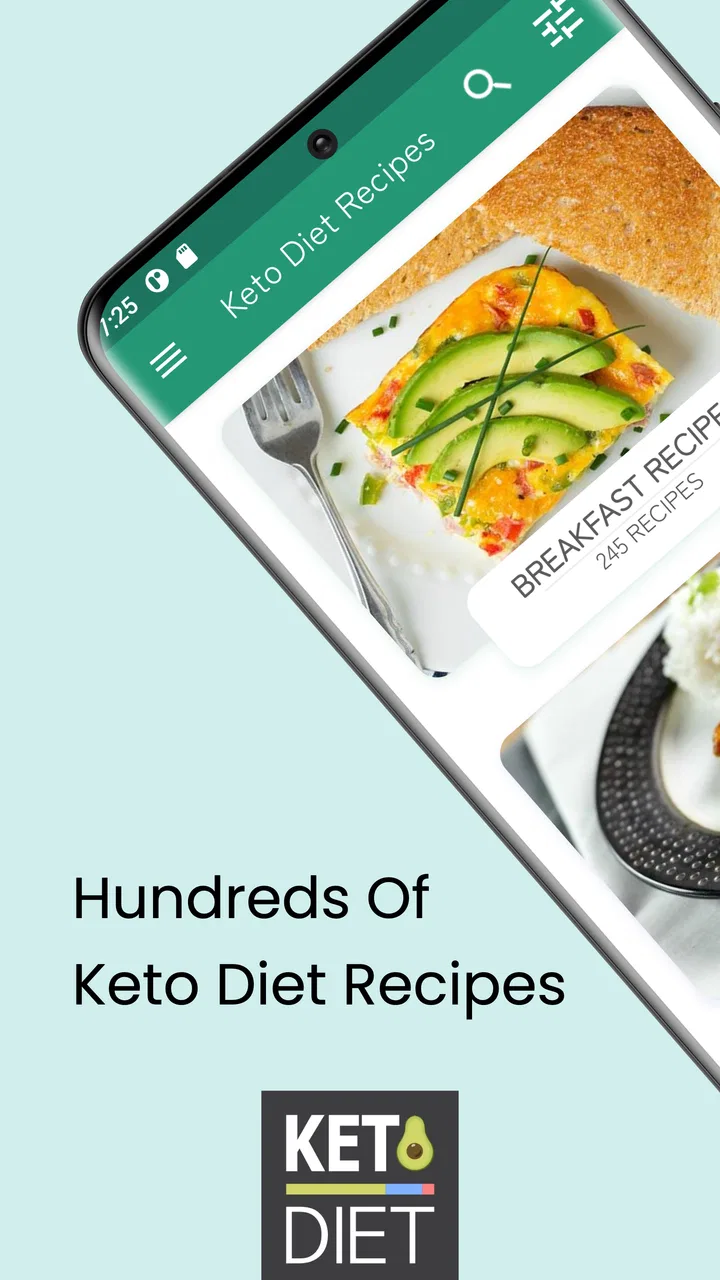
I found Keto Diet: Low Carb Recipes most useful when I treated it as a practical cooking companion rather than a complete diet coach. It is a free Food & Drink app from kiran chavan, built for people who want low-carb meal ideas without spending their evening searching through scattered websites. The focus is clear from the first moment: help you find recipes that fit a keto-style way of eating and turn that inspiration into something you can actually prepare.
That narrow focus is also the reason I would recommend it selectively. If your main problem is deciding what to cook, the app can make the first step much easier. If you need medical nutrition guidance, detailed personal tracking, or a fully managed meal program, you will probably want another tool alongside it. I liked it best as a recipe library that reduces decision fatigue, especially on busy days when “what can I eat?” is more difficult than the cooking itself.
What to expect from the recipe experience
The app has built a substantial audience for a focused recipe tool, with a 4.5 average from around 5.7 thousand ratings and more than 500 thousand installs. Those figures suggest that it has found a useful place for people exploring keto cooking, but they do not change the basic nature of the product: it is centered on recipes, not on replacing a doctor, dietitian, or personal health plan.
You May Also Like

 Blood Strike: 2.5 Anniversary
Blood Strike’s Loadouts Turn Every Drop Into a Tactical Gamble
A close look at Blood Strike’s custom loadouts: how fast access to signature weapons reshapes its battle royale rhythm, rewards preparation, and narrows the gap between fights.

 Pandora - Music & Podcasts
Pandora’s Music Is Easy to Start, but Harder to Recover
Pandora’s strength is its low-effort path from a seed to a station. Its weak spot is how much confidence it asks you to place in connection, setup, and quiet recovery.

 8 Ball Pool
 Is Built on Rivalries, Rematches, and Routine
A close look at the rivalries, rematches, shared routines, and unanswered safety questions that turn a quick pool match into a persistent mobile community.

 Samsung Music
’s Quiet Strength Is Playing What You Already Own
Its reach comes less from spectacle than from dependable access to a personal library. That simplicity is both the app’s strongest retention engine and its ceiling.

 AccuWeather: Weather Radar
AccuWeather Review: A Quick, Clear Forecast for Everyday Decisions
For everyday plans, the best forecast is the one you can understand quickly. AccuWeather makes rain timing, radar, and local conditions easy to act on, with a few trade-offs.

 Hill Climb Racing
Why Hill Climb Racing Still Turns Crashes Into One More Run
A tiny car, a bumpy hill and one more upgrade: Hill Climb Racing keeps resurfacing because its simple chaos makes every near-miss feel personal.
More From Our News Desk



My first impression was that the app is easiest to appreciate when I approach it with a specific need. Looking for breakfast ideas, a simple dinner, or something suitable for a low-carb routine gives the collection a purpose. Opening it with no idea at all can still be helpful, but the number of possibilities may make the choice feel less immediate than expected. I found that setting a small goal before browsing made the experience more efficient.
The strongest use case is the transition from intention to action. Many people know they want to reduce carbohydrates but get stuck at the shopping stage. A recipe app can bridge that gap by giving the meal a concrete identity. Instead of thinking in broad terms such as “I need to eat better,” I can decide what I want to prepare, check what I already have, and identify the missing ingredients.
It is worth remembering that “keto” is not a universal prescription. People follow different versions of low-carb eating, and personal needs can vary because of allergies, medical conditions, medication, activity levels, or cultural food preferences. I use the app for ideas, then apply my own judgment to portions and substitutions. Anyone managing a health condition should treat the recipes as inspiration and confirm dietary decisions with a qualified professional.
Who will get the most from it
I think the app suits beginners who are tired of repeating the same eggs, salads, or grilled meat. It is also useful for someone returning to low-carb cooking after a break and needing fresh prompts rather than a strict program. A person who cooks for a household may appreciate having options to adapt, although the practical work of checking every ingredient still belongs to the user.
The app is less convincing for people who want automatic calorie accounting, a personalized plan, or a detailed record of daily intake. It should also be approached carefully by users with serious allergies. A recipe title may sound suitable while a packaged ingredient, sauce, seasoning, or garnish introduces something you need to avoid. I would never rely on a general recipe app as the final authority for a medically restricted diet.
Installing it and preparing for the first search
The app is free to install, which makes it easy to try without committing money at the beginning. It is rated for Everyone, and the current version is 18.5. It requires Android 9 or later, so compatibility is the first practical check for Android users. The developer is kiran chavan, and the app has been available since September 8, 2019, giving it a longer presence than a brand-new recipe experiment.
I recommend starting with a realistic cooking window rather than attempting a complete lifestyle change on the first day. Before opening a recipe, decide whether you are planning breakfast, lunch, dinner, or a snack. Then consider the equipment and ingredients already available in your kitchen. This simple preparation prevents one of the most common frustrations with recipe apps: saving an appealing idea and discovering later that it depends on several items you will not buy.
Another useful habit is to separate “interesting” from “practical.” I may enjoy browsing richer or more elaborate dishes, but the recipe that actually improves my routine is often the one I can make after work with familiar ingredients. I would begin by looking for a dish that matches my schedule, then keep more ambitious ideas for a weekend. That approach gives the app a chance to produce a real result quickly instead of becoming another collection of recipes I never cook.
Turning the first recipe into a successful meal
For a first attempt, I would choose a recipe with a manageable ingredient list and a preparation method I already understand. I would read the entire recipe before starting, not just the title and opening lines. That lets me notice whether an ingredient needs preparation, whether a substitution could affect texture, and whether the recipe depends on a component I need to make separately.
My preferred workflow is simple. I choose one meal, write down the ingredients that are missing, and check labels while shopping. At home, I measure the main ingredients before heating the pan or turning on the oven. This reduces the chance of discovering halfway through that a key item is unavailable. It also makes the app feel like a planning tool instead of a passive source of pictures.
For someone new to keto cooking, the first meaningful success is not creating a restaurant-style plate. It is finishing a meal that tastes good enough to repeat. I would judge the recipe on three things: whether the process felt clear, whether the ingredients were easy to find, and whether the result fits my normal schedule. If one of those fails, I would adjust the recipe or choose another rather than assuming the entire eating plan is impossible.
A realistic weekday example would be arriving home with limited energy and wanting a low-carb dinner without ordering food. I would open the app, search or browse for a recipe that matches the ingredients in my refrigerator, and avoid anything that requires a long preparation chain. After cooking, I would note the parts that worked for me: perhaps the seasoning, the cooking time, or the ability to replace one ingredient. That small personal note is more valuable than collecting many recipes without learning which ones fit my life.
Where first-time users may become confused
The word “keto” can create the impression that every recipe is automatically suitable for every person following a ketogenic plan. I would not make that assumption. Ingredients can vary by brand, and a seemingly small addition such as a sweetened condiment or prepared sauce can change the nutritional picture. I check packaging rather than trusting a general label, especially when buying processed ingredients.
Substitutions also deserve attention. Replacing flour, sugar, dairy, or vegetables is not always a direct exchange. Two ingredients may have different moisture, sweetness, cooking behavior, or carbohydrate content. If I change several components at once, I treat the result as an experiment rather than expecting the same texture shown in the recipe. Beginners often blame themselves when a substitution fails, but the recipe may simply depend on properties the replacement does not share.
Portion language can be another source of uncertainty. A recipe can tell me what to cook without deciding how much is appropriate for my personal goals. Appetite, activity, health needs, and the rest of the day’s food all matter. I use the app to plan the dish, then make portion decisions separately. This is one of the most important distinctions between a recipe collection and a personalized nutrition service.
I also avoid assuming that a recipe’s simplicity on the screen means it will be effortless in the kitchen. Preparation time can expand when I am unfamiliar with a technique, when ingredients need chopping, or when I am cooking several servings. For the first few meals, I leave extra time and keep a backup option available. That makes the learning curve less stressful and prevents one difficult attempt from ending the whole experiment.
Making the app useful beyond the first meal
Once I have cooked one successful recipe, I would build a small rotation instead of browsing endlessly. Three dependable meals for different parts of the day can be more useful than dozens of untested ideas. I would choose one fast option, one filling option, and one recipe that feels different enough to prevent boredom. This turns the app into a repeatable routine rather than a one-time source of inspiration.
A second practical strategy is to shop by overlapping ingredients. If two or three recipes use the same vegetables, proteins, herbs, or cooking staples, I can plan them together and reduce waste. This is a non-obvious advantage of browsing with the whole week in mind: the best recipe is not always the most exciting one, but the one that helps several meals share ingredients. I would still verify each item’s label and suitability before buying it.
I also recommend testing recipes one at a time before serving them to a group. A dish that works for my taste may be too spicy, too rich, or unfamiliar to other people at home. When cooking for a family, I would prepare a flexible base and add optional toppings or sides separately where practical. That makes the meal easier to adapt without turning the kitchen into a separate restaurant for every person.
The app’s in-app purchases range from $1.99 to $11.99 per item. Since the core download is free, I would first decide whether the available recipe experience already meets my needs before considering any optional purchase. I would not pay simply because I feel pressure to unlock everything. A purchase makes sense only if it solves a specific problem for me and I understand what I am getting from it.
How it compares with ordinary alternatives
Compared with searching the open web, a dedicated keto recipe app feels more focused. General search results often mix low-carb recipes with unrelated dishes, personal blogs, advertisements, and long introductions. The advantage here is the narrower starting point: I can open a food-focused tool already aimed at the kind of cooking I want to explore.
Compared with a meal-planning or calorie-tracking app, this app is more approachable when my immediate question is “what should I cook?” A tracker is usually better when I need a record of intake, targets, or progress. A structured meal planner may be better for scheduling several days in advance. I would combine tools only if that extra complexity genuinely helps; otherwise, the recipe app is the more comfortable first step.
Compared with printed cookbooks, the app is easier to browse when I want a new idea quickly, but a cookbook can provide a more deliberate learning path and a stable reference for repeated favorites. Compared with social media videos, the app is less dependent on scrolling and visual distraction, while videos may explain techniques more clearly. My choice would depend on whether I need discovery, instruction, or nutritional organization.
The main trade-off is that convenience does not remove the need for judgment. A focused collection can help me find meals, but it cannot inspect the products in my shopping basket or understand my medical history. That is why I see this app as a useful middle layer between a blank kitchen and a complete nutrition program. It gives direction without pretending to make every decision for me.
My recommendation for a first week
For the first day, I would install the app, choose one meal that matches my available time, and shop only for what that meal requires. On the second attempt, I would repeat the recipe if it worked or change just one variable if it did not. Changing everything at once makes it difficult to learn what improved the result. This gradual approach is especially helpful for beginners who are still learning which low-carb ingredients they enjoy.
During the rest of the week, I would create a short personal shortlist based on actual cooking, not attractive titles. I would keep recipes that were convenient, satisfying, and easy to adapt. I would set aside anything that required too many specialty ingredients or produced leftovers I could not use. This is where the app becomes more valuable: the collection is broad, but my own tested rotation makes it personal.
I would skip the app if I expected it to calculate a complete diet, diagnose a health issue, or guarantee that every recipe matches a strict medical requirement. I would also look elsewhere if my priority were restaurant-style technique lessons or detailed macro tracking. But for a first-time user who wants a gentle route from low-carb curiosity to a cooked meal, it is a sensible place to begin.
After using it, my honest view is that Keto Diet: Low Carb Recipes succeeds when I use it with a clear cooking goal and realistic expectations. Its value is not in removing every decision; it is in giving me enough direction to make the next decision easier. Start with one approachable recipe, read it carefully, check ingredients, and judge the result by whether you would cook it again. For free access to a focused keto recipe experience, that is a practical and reassuring first step.
FAQs for Keto Diet: Low Carb Recipes
01What is Keto Diet: Low Carb Recipes, and who is it designed for?
Keto Diet: Low Carb Recipes is a cooking and meal-planning app focused on ketogenic and low-carbohydrate eating. It provides recipe ideas that generally emphasize fats, moderate protein, and limited carbohydrates. The app may be useful for people who want inspiration for keto breakfasts, lunches, dinners, snacks, or desserts, although beginners should understand the basic principles of the diet before relying on the recipes for daily meal planning.
02Does Keto Diet: Low Carb Recipes provide complete meal plans or only individual recipes?
The app primarily serves as a source of low-carb and keto-friendly recipe inspiration, so the exact planning features may depend on the version installed and the device platform. Users should check whether it includes organized meal categories, serving information, preparation instructions, shopping guidance, or weekly plans. Even when recipes are clearly presented, you may still need to calculate your own daily calories, macronutrients, and total carbohydrate intake.
03Are the recipes suitable for people with diabetes, food allergies, or other medical conditions?
Not automatically. A low-carbohydrate recipe can still contain ingredients that affect blood glucose, trigger allergies, or conflict with medical, religious, or dietary requirements. People with diabetes, kidney disease, liver problems, eating disorders, pregnancy-related nutritional needs, or prescribed diets should consult a qualified healthcare professional before making major changes. Always review every ingredient and adapt recipes only with appropriate medical or nutritional guidance.
04Can I customize recipes in Keto Diet: Low Carb Recipes for my dietary preferences?
Many keto recipes can be adapted by replacing ingredients, adjusting portion sizes, or choosing alternatives such as dairy-free, vegetarian, or nut-free products. However, substitutions can significantly change carbohydrate, protein, calorie, and allergen information. Before preparing a modified recipe, check the labels of replacement ingredients and recalculate the nutritional values rather than assuming the result remains keto-friendly. The app should be treated as guidance, not a personalized nutrition service.
05Is Keto Diet: Low Carb Recipes free to download, and does it require an internet connection?
The application may be available as a free download, but some versions can include advertisements, optional paid features, subscriptions, or restricted recipe content. Store listings should be checked for the current pricing and in-app purchase details before installation. Internet access may be needed to download recipes, display advertisements, or load updates, while previously viewed content may or may not remain available offline depending on the app’s design.
Pros
- Simple recipes make low-carb meal planning easier.
- Includes options for breakfast
- lunch
- dinner
- and snacks.
- Helpful for users tracking ketogenic ingredients and meals.
- Recipes can support weight-loss and carb-reduction goals.
- Useful cooking inspiration for beginners following keto.
Cons
- Some recipes may require expensive or specialty ingredients.
- Nutritional information may vary by serving size and substitutions.
- The app may not suit users with allergies or dietary restrictions.
- Strict keto plans can feel repetitive over time.
- Following the recipes alone does not replace medical advice.

Keto Diet: Low Carb Recipes
Gallery